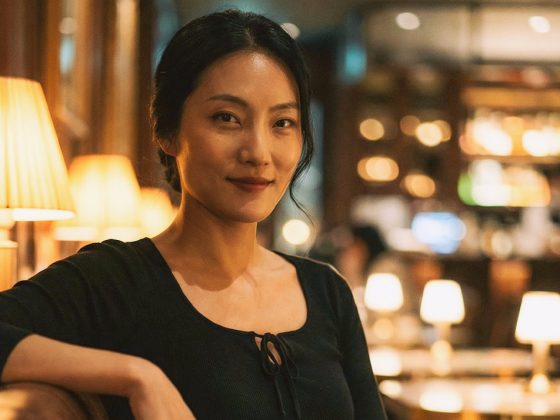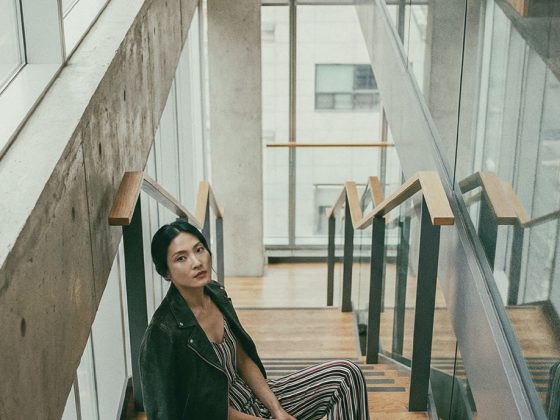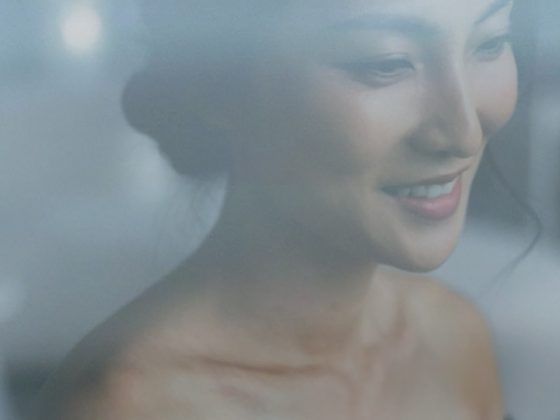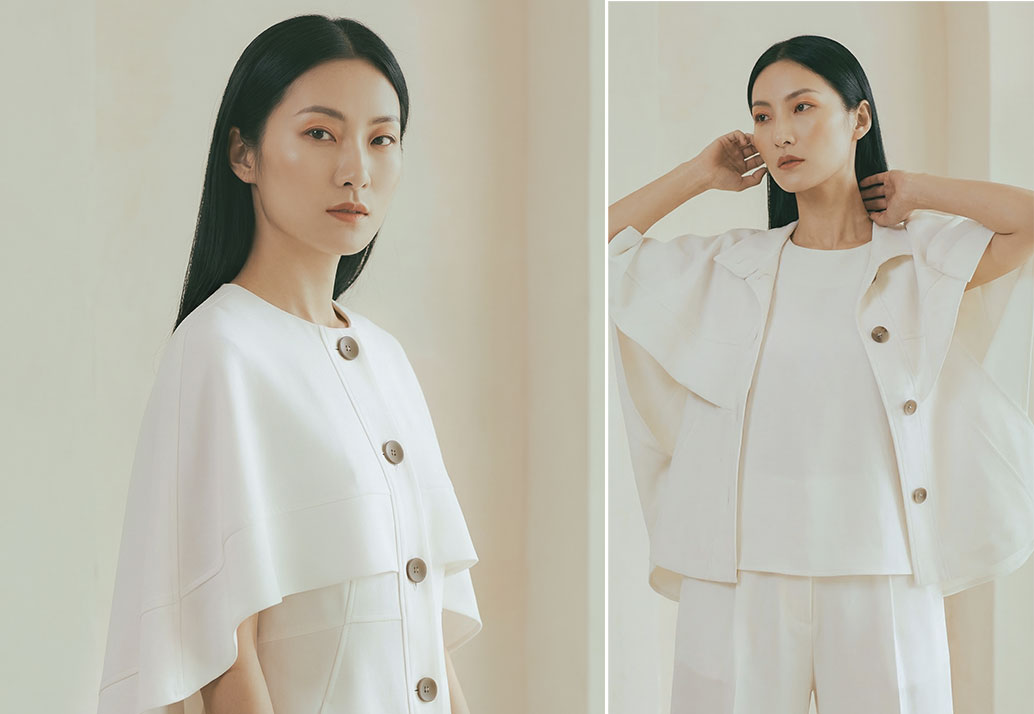
Chin-Sun through fashion, silence, and atmosphere — part of how I build the presence of a character before the fuller story unfolds.
Photography has always been part of my work, just as paintings and films have.
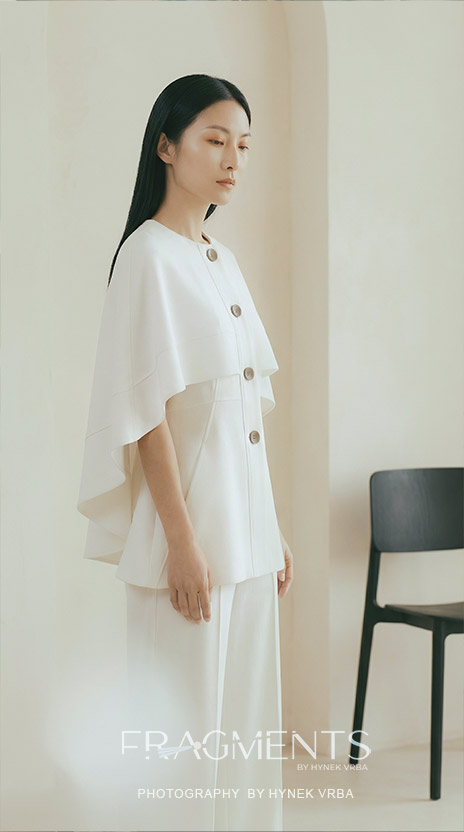
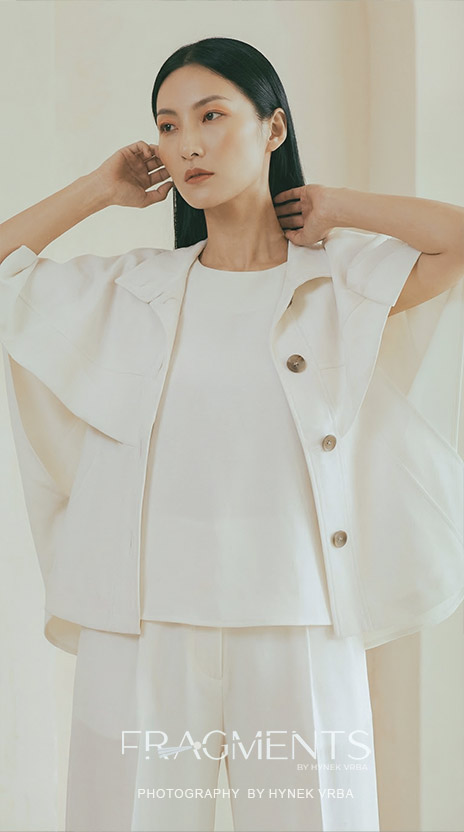
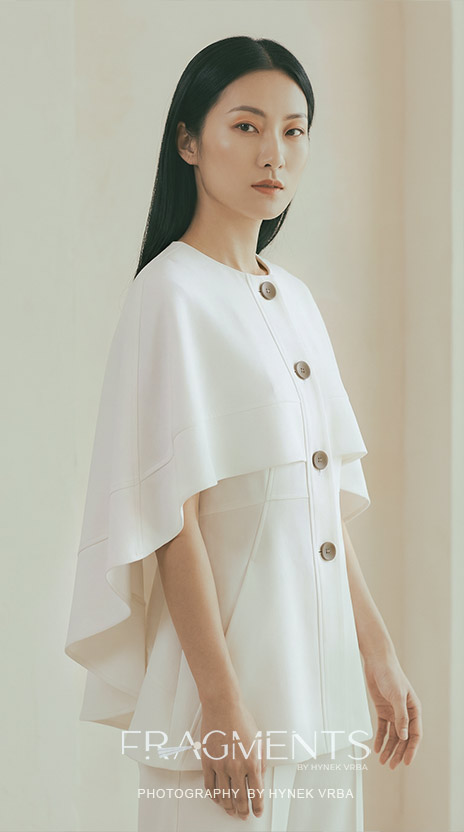
With Chin-Sun, I wanted to create something that lives between portrait, fashion, and character. Not as separate disciplines, but as one visual language. For me, these images are never only about beauty or styling. They are about presence, mood, restraint, and the unspoken emotional space a woman carries before her story is fully revealed.
Credits
Photography by Hynek Vrba
This visual study grows out of FRAGMENTS, but it also reflects something wider in the way I work. I have always been drawn to women’s inner worlds — to what is felt, hidden, remembered, or left unsaid — and to finding different ways to give those things a form.
When I work with a woman, I do not see her only as someone performing a role inside my idea. I see a human being who carries her own history, her own sensitivity, her own private silences, and her own strength beyond the frame. That matters to me. It changes how I photograph, how I direct, and how I build the visual language around her.
With Chin-Sun, this was important from the beginning. I did not want to use her presence only as a visual tool to communicate a story. I wanted to create images that also honour her — her beauty, her atmosphere, her depth, and the quiet dignity she brings with her. For me, collaboration is never just about executing a concept. At its best, it becomes a shared space of trust, care, and understanding, where something more personal can breathe underneath the surface.
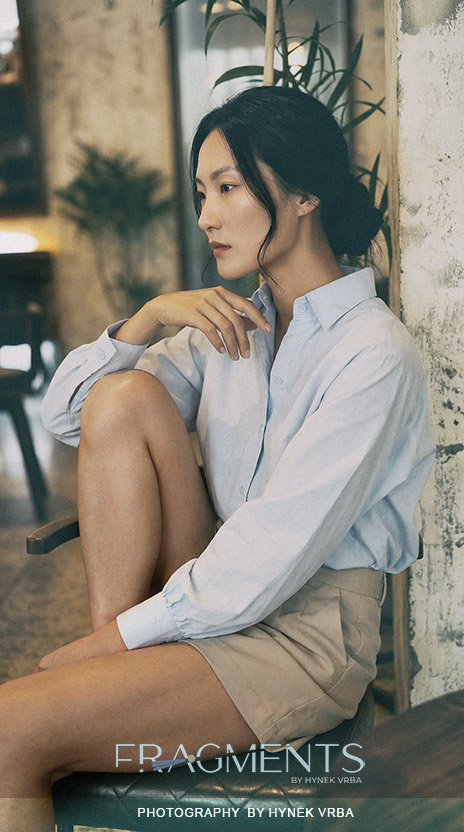
Credits
Photography by Hynek Vrba
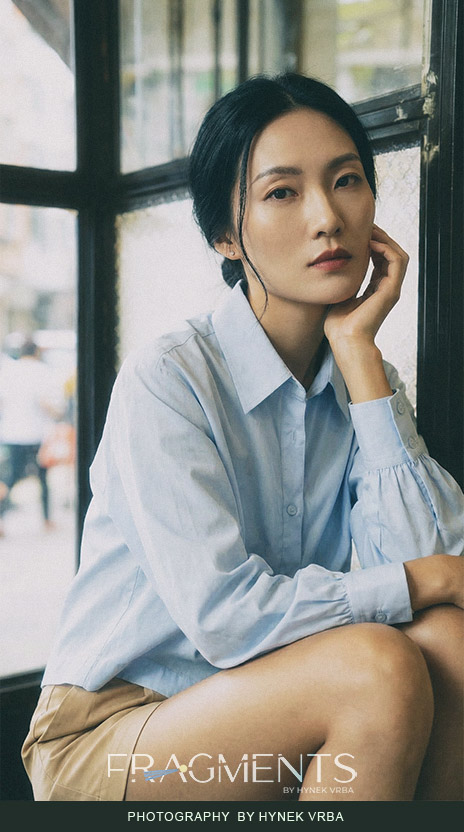
This is why these images sit between fashion, portrait, and cinema. They are part of FRAGMENTS, but they are also part of the relationship that can grow between an artist and the person who helps carry the work into the world. Not everything needs to be explained. But I want the women who encounter my work to feel that if I create with them, I do it with attention, with respect, and with a genuine desire to lift something true and beautiful in them to the surface.
Sometimes film says it best.
Sometimes painting does.
And sometimes a single photograph can hold what words cannot.
This first series begins with two moods. The white set explores clarity, elegance, and quiet control. The darker restaurant images move closer to intimacy, stillness, and what remains beneath the surface. Together, they form an introduction to Chin-Sun beyond the film itself — not only as a protagonist, but as a presence.
Read the story behind Quodartis and Heinek: /about
Main Fragments page – hub: /FRAGMENTS